

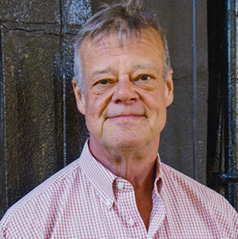
A young Mark Priestly became a New Yorker in 1990, and like most transplants to the City, he came for the opportunities to build a life. And build a life he did. Mark landed a job in financial services, found an apartment in a neighborhood he loved, and became a Mets fan. But in 2017, he ran into a health issue that required surgery and several months of recovery, which chewed through his savings while he was unable to work. He eventually recovered, but then Covid struck.
Mark spent months unemployed until he found work as a gardener, which was good for his health and outlook. But the job didn’t last, and after a second surgery, he was again unable to walk or work for months. The bills piled up. “I had a lot of anxiety and was used to working and feeling productive. The situation was catastrophic on many levels,” Mark reflects.
By the time Mark got back to his gardening work, he was five months behind on his rent and feared losing his rent-stabilized apartment of 30 years. He sought help and was referred to The Bridge Fund by the Hudson Guild. The Bridge Fund, along with the Coalition for the Homeless, paid Mark’s rent arrears. The Bridge Fund also gave him advisement and encouragement and provided a modest utility grant and food card. “They were very supportive and called and checked on me. It was a very humbling experience to go through this.”
When Mark found a new gardening job, The Bridge Fund’s Income Growth Initiative (IGI) bought his uniform and proper footwear so that he could start immediately. IGI had been helping Mark polish his resume and interviewing skills so he could return to a career in financial services-a field he also really enjoys. Today, Mark is still in his Manhattan home and doing well.
In a recent letter to his case manager, he wrote: “I want to thank you and The Bridge Fund for all you do. You have stuck with me, and I can never tell you how grateful I am.”‘ Another example of The Bridge Fund doing exactly what it is meant to do.